

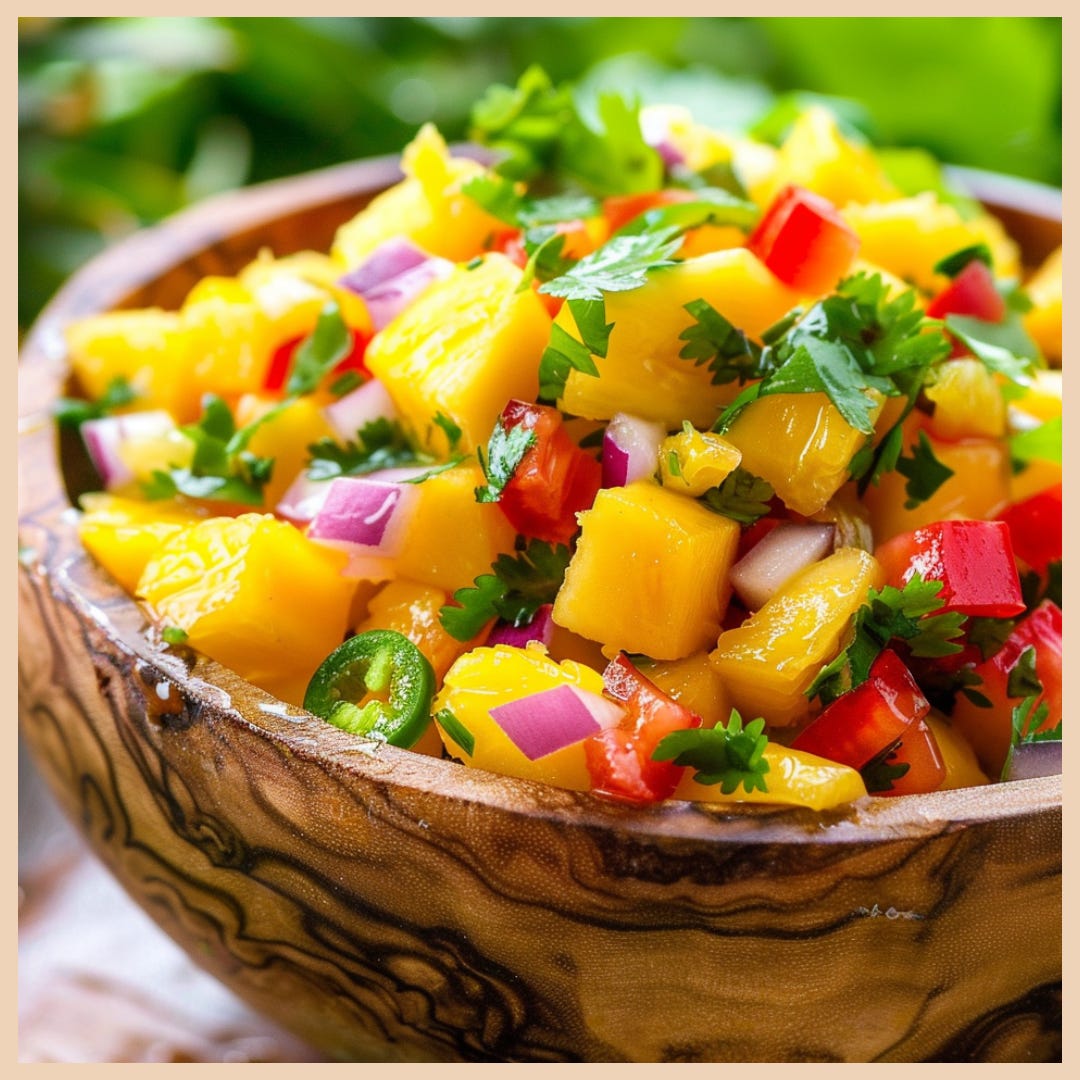
There’s a certain kind of cooking I start craving when spring settles in. Food feels lighter and fresher, but still satisfying enough to count as dinner. Nothing fussy. Just simple, thoughtful meals that work whether I’m cooking for myself or putting something on the table for other people.
This tropical salsa is exactly that kind of recipe.
It’s made with fresh fruit, a handful of familiar ingredients, and one small splash of white rum that helps the whole bowl feel a little more settled and complete. It comes together quickly, but still feels special, especially spooned over simply grilled mahi mahi.
The salsa is delicious on its own, but paired with fish, it turns a simple meal into something that feels finished.
What’s Ripe Right Now
April on Kauaʻi brings a gentle shift in the kitchen. The heavier cooking of winter starts to fall away, and brighter flavors begin to feel right again.
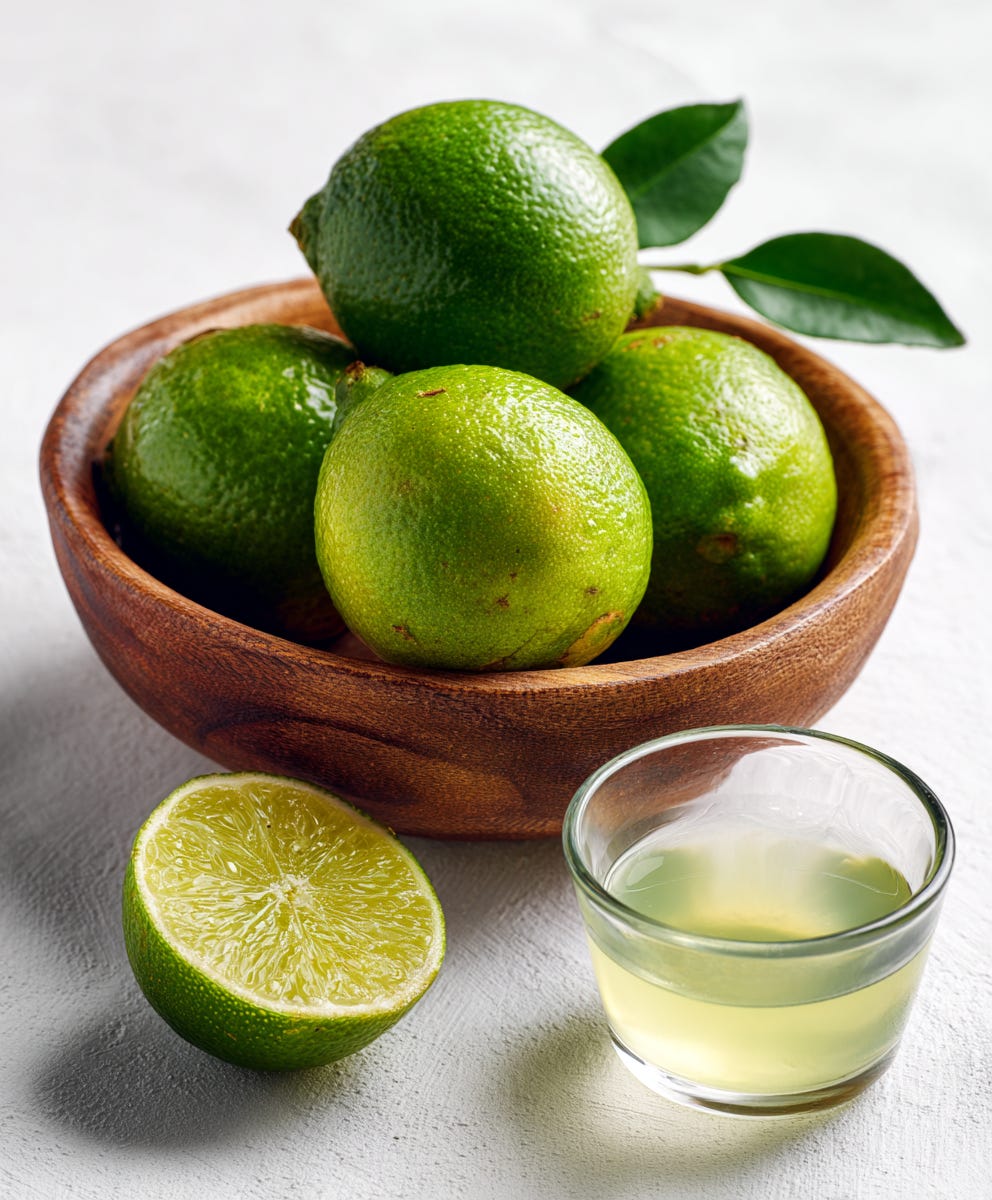
This is a time when pineapple is especially sweet and dependable, bananas and papaya are plentiful, and early mango varieties begin to show up depending on rainfall and elevation. Limes, cilantro, peppers, and onions are easy to find year-round, which makes a recipe like this especially easy to pull together.
What I love about this time of year is how flexible it feels. If mango isn’t quite ready where you live, papaya works beautifully. If the pineapple at your market smells especially good, let that lead. The point is not to follow a rigid list, but to use what looks and tastes best where you are.
That’s part of what makes this salsa such a good one to keep in your back pocket. Whether you’re shopping at a farmers market here on Kauaʻi or picking things up at a grocery store somewhere else, the ingredients are familiar and easy to work with.
Starting with the Salsa
At its core, this recipe is simple. Fresh fruit, a little heat, lime for brightness, and salt to sharpen everything.
What makes it work is balance.
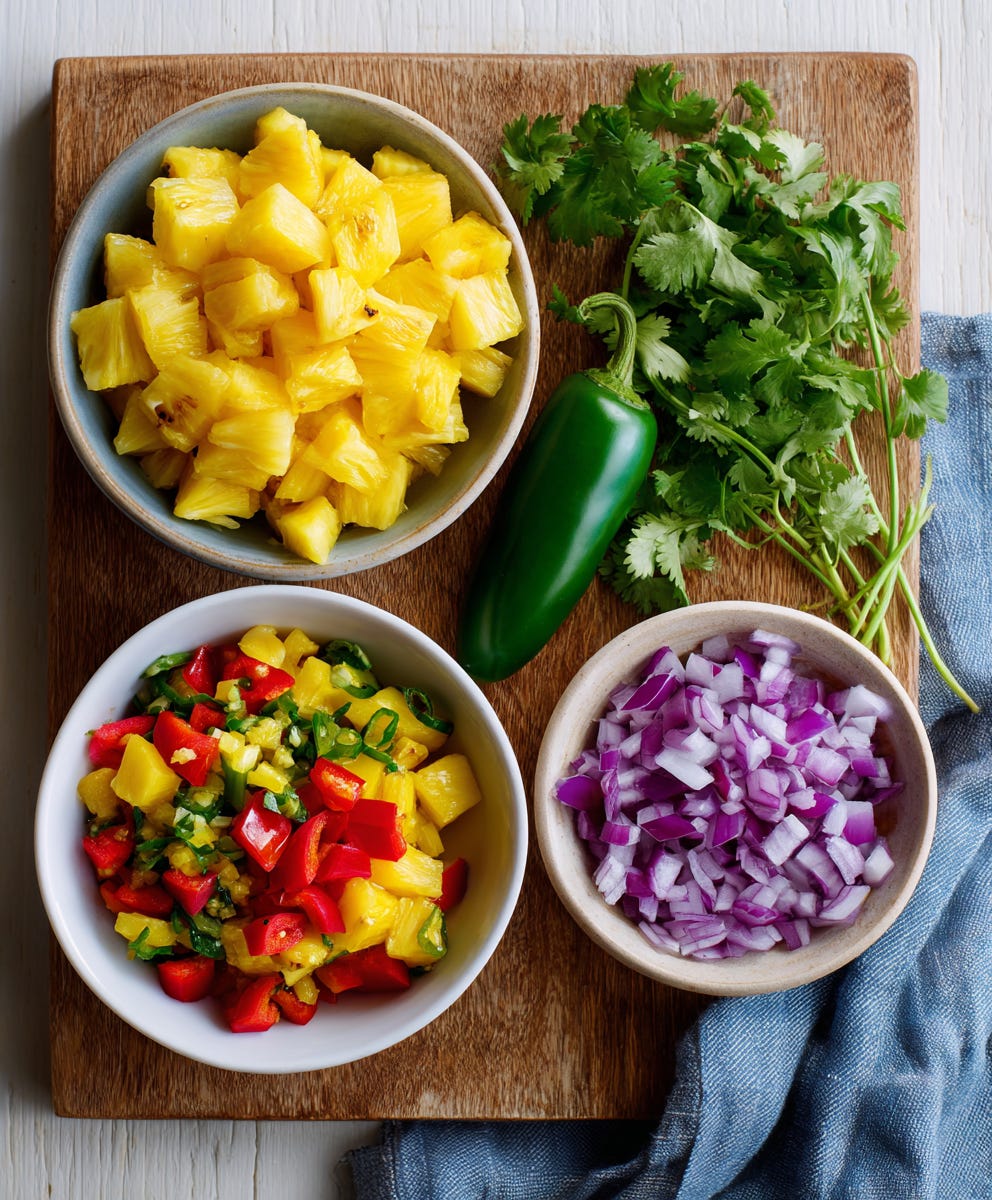
Pineapple and mango bring sweetness and juiciness. Red bell pepper adds crunch. Red onion and jalapeño give it bite. Lime keeps the whole bowl tasting clean and lifted.
And then there’s the rum.
Used lightly, it does not make the salsa taste sweet or boozy. Instead, it softens the sharper edges just enough and helps the fruit, lime, and heat land together more naturally.
That’s one of the reasons I come back to recipes like this. Salsa fits easily into real life. It works when friends stop by, when dinner needs something extra, or when grilled fish or chicken wants a little brightness on the side.
This one has plenty of contrast — juicy fruit, crisp pepper, fresh herbs, gentle heat — and that is exactly what makes it so useful. It works beautifully with grilled mahi mahi, but it’s just as good scooped up with tortilla chips.
Why These Flavors Work Together
Understanding what each ingredient brings to the bowl makes cooking feel easier and more intuitive.
Pineapple and mango bring natural sweetness and body.
Lime juice keeps the salsa bright and focused.
Jalapeño adds warmth without taking over.
Cilantro brings freshness and a green note that keeps the fruit from feeling too soft.
White rum gives the whole mixture a more rounded finish without weighing down its fresh character.
That’s what makes this salsa so versatile. It works with what you serve it on, rather than competing with it.
Why I Use White Rum In This Recipe
Rum often gets associated with sweetness or tropical cocktails, but in cooking it can play a much quieter role.
Here, it works less like a dominant flavor and more like a finishing touch. It helps carry the aroma of the fruit, softens the acidity just slightly, and gives the salsa a more complete flavor without adding sugar.
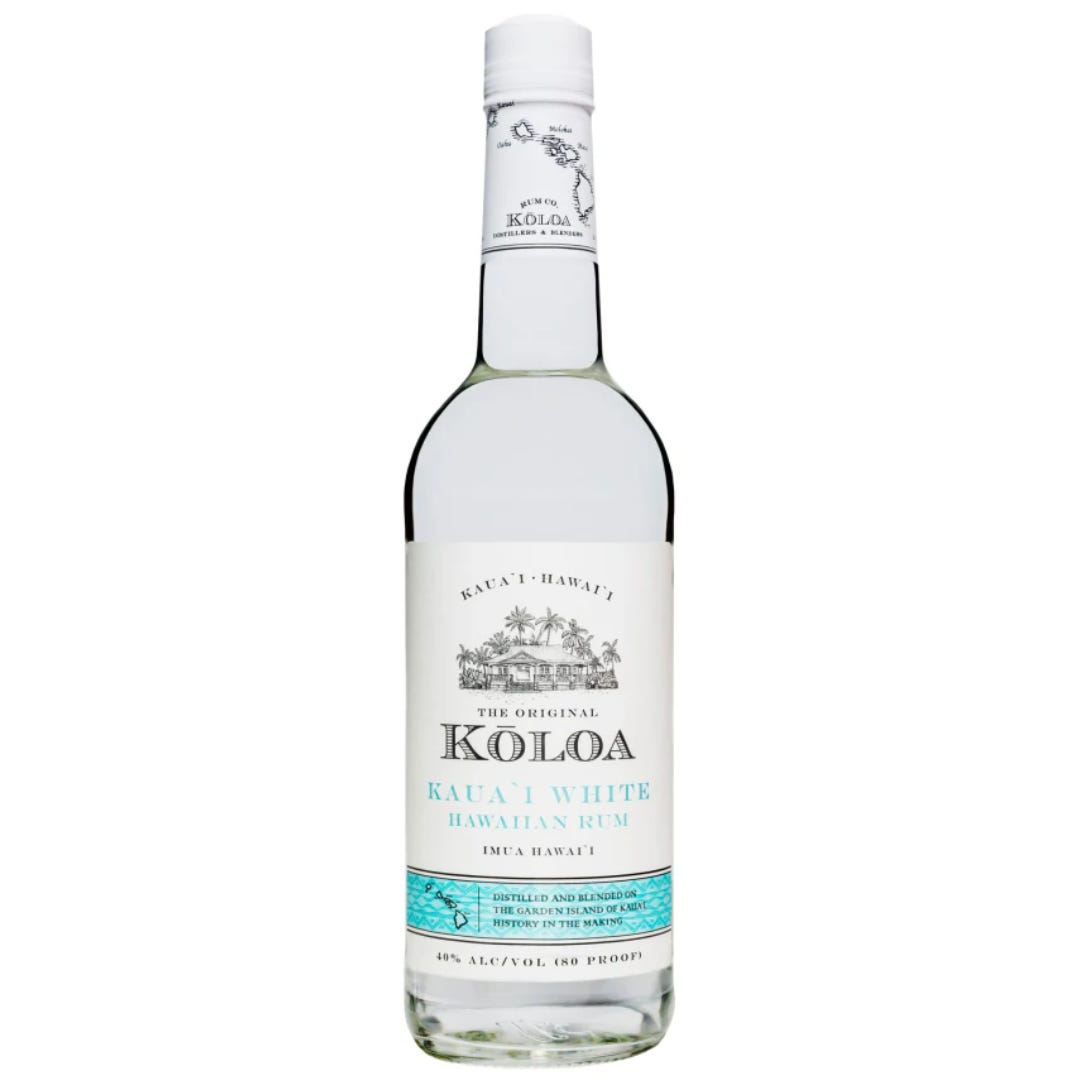
That’s why I like Kōloa White Rum in this recipe. It’s clean and straightforward, so it supports the salsa without changing its fresh character.
If you’re curious about cooking with rum, this is an easy place to start. The amount is small, the method is simple, and the effect is subtle but noticeable.
A Natural Pairing: Mahi Mahi
While this salsa is delicious with chips, I especially love it spooned over simply prepared fish.
Mahi mahi is a natural match. It’s lean, mild, and clean tasting, so it holds up well under bright toppings without getting lost. I like to keep the fish simple with olive oil, salt, pepper, and a hot grill or pan. The salsa does the rest.
If mahi mahi isn’t available where you live, any mild, firm white fish such as halibut, cod, or snapper works well too. The main thing is choosing a fish with enough structure to hold up under a juicy topping without falling apart.
The rest of this article includes the full salsa recipe, serving ideas, and simple ways to use it with fish, chicken, or shrimp.
How to Adjust the Flavor
Once everything is mixed, taste before serving. If the salsa leans too sweet, add another squeeze of lime. If it feels too sharp, a little more mango or pineapple can soften it. For more heat, add extra chile a little at a time. If the flavors seem muted, a small pinch of salt will usually bring the whole bowl into focus.
This is one of those recipes that gets easier the more you make it. Once you understand the balance, you can adjust it naturally depending on the fruit you have.
How to Serve It
Spoon generously over grilled or pan-seared mahi mahi, where the juicy fruit and lime bring a lively finish to the fish. It also pairs well with shrimp skewers or roasted chicken, adding color, sweetness, and an easy sense of balance to the plate.
For something more casual, use it as a topping for fish or shrimp tacos, where it adds a cool, juicy bite. It is just as good served with tortilla chips as an easy appetizer for warm afternoons, laid-back dinners, or a relaxed gathering around the table.
The mix of sweetness, acidity, heat, and texture is what makes it so adaptable.
Make Ahead and Storage
This salsa is best the day it is made, when the fruit still feels fresh and the texture stays distinct. If you’d like to get ahead, you can chop the ingredients a few hours early and combine them closer to serving, or fully mix the salsa and let it rest in the refrigerator for 15 to 30 minutes before bringing it to the table.
If you do make it in advance, keep in mind that the fruit will continue to soften and release juice as it sits. That does not make it bad — just looser and less crisp. A quick stir and an extra squeeze of lime just before serving can help wake it back up.
Leftovers can be chilled for later, though they will be softer by the next day.
A Simple Kind of Confidence
This is the kind of recipe I love having in rotation because it’s flexible and forgiving. Once you make it, it stops feeling like something you have to follow exactly and starts feeling like something you know how to make.
Change the fruit with the season. Adjust the heat. Spoon it over whatever is coming off the grill. It still works.
That’s the kind of cooking I love sharing here. Food that fits into real life, uses ingredients you recognize, and helps you feel a little more at ease in your kitchen.
Mahalo nui loa,
Nicole
The Island Spirit Kitchen