

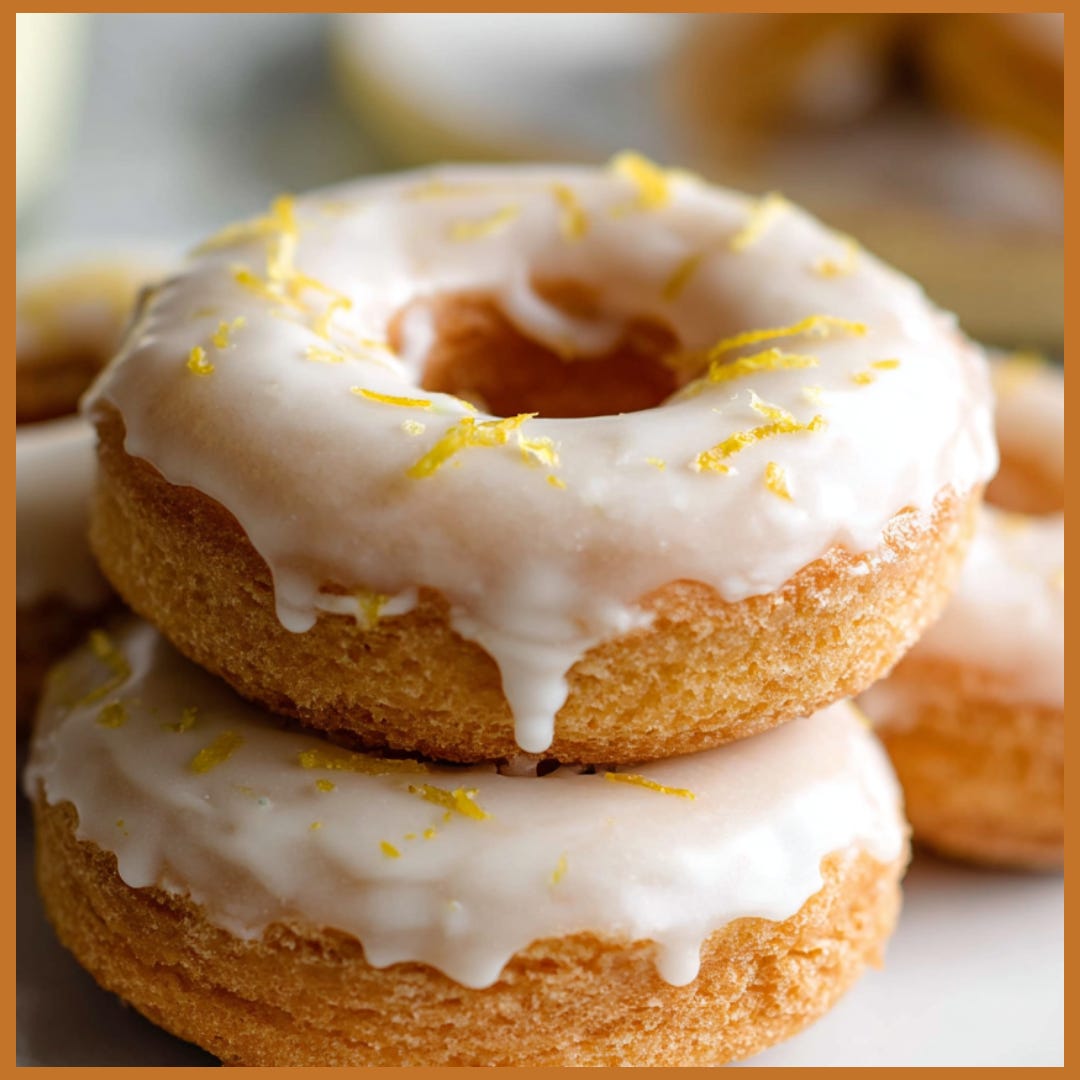
Soft, lightly spiced, and especially good alongside a warm cup of coffee.
March has a quieter energy to it. It’s not rushing toward anything, not quite ready to let go of comfort, but open to a little brightness creeping in. It’s the kind of month that calls for simple baking — something warm in the oven, something fragrant on the counter, something easy to make again.
That’s where baked doughnuts shine.
They’re familiar and nostalgic, but also practical. They’re softer and more cake-like than fried doughnuts, with a tender crumb that’s especially nice while still warm. No hot oil. No complicated steps. Just a mixing bowl, a spoon, and a doughnut pan — easy to find and even easier to use.
In this article, I’ll share why cardamom and orange work so well together, what the rum is doing in the batter, and why baked doughnuts are much easier to make than they might sound.
The result is a tender, cake-like doughnut scented with orange and cardamom, lovely while still warm and even better with a simple sugar dusting or light glaze.
What Is Cardamom?
Cardamom is a warm, aromatic spice made from the seeds of a plant in the ginger family. It’s most commonly used in ground form for baking, though whole pods are often used in savory cooking and beverages around the world.
In the culinary world, cardamom is known for its complexity. It has a lightly sweet aroma with citrusy, floral notes and a gentle warmth that’s very different from sharper spices like cinnamon or cloves. It’s fragrant rather than spicy — more rounded than bold — which is why it’s often used to add depth without heaviness.
You’ll find cardamom in Scandinavian baking, Middle Eastern desserts, Indian sweets, and even in some coffee traditions. It gives baked goods a little more character without making itself the main event.
Why Cardamom Works in This Doughnut Recipe
In these baked doughnuts, cardamom adds gentle background warmth.
Paired with orange zest, it brings softness and fragrance without competing with the citrus. Where cinnamon might feel cozy or heavy, cardamom keeps things light and aromatic, allowing the doughnuts to feel fresh rather than rich.
Because these are baked, the cardamom stays gentle and blends in rather than jumping forward. The result is a spice note you notice more in aroma than taste — something that makes the doughnuts feel comforting and familiar, yet just a little unexpected.
This is one of those ingredients that doesn’t announce itself, but if you removed it, you’d notice the difference. Everything would still be good — just a bit flatter.
A Small Tip When Baking with Cardamom
Cardamom is potent, even in small amounts. A light hand goes a long way.
In this recipe, the measured amount is intentional — enough to add warmth and fragrance without tipping into perfume-like territory. Whisking it thoroughly into the dry ingredients ensures it’s evenly distributed, so every doughnut has the same gentle flavor.
A Flavor Pairing That Feels Just Right
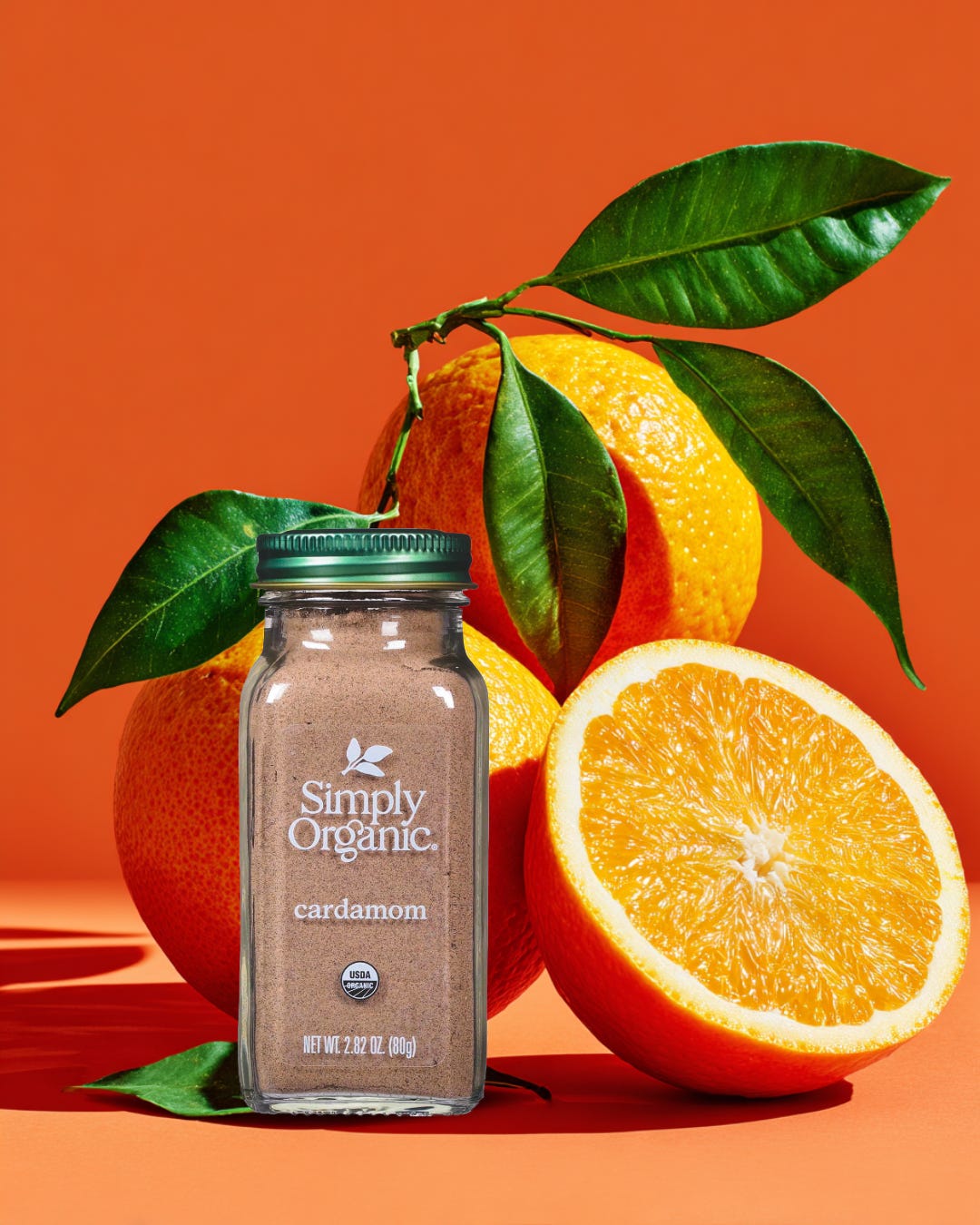
Orange and cardamom are a natural pairing, even if we don’t see them together as often as we should.
Orange zest brings brightness and aroma without acidity, while cardamom adds warmth in a softer, almost floral way. It’s not sharp or spicy — just gently grounding.
Neither one pushes too hard. You get lift from the orange, softness from the cardamom, and a flavor that feels easy to keep coming back to.
The Quiet Role of Rum in Baking
In this recipe, the rum is there to support the batter, not take it over. It gives the doughnuts a little extra depth without pulling attention away from the orange and cardamom.
As the doughnuts bake, much of the alcohol is reduced, but some of the rum’s softer aroma stays behind. The result is a doughnut with a little more depth, a softer finish, and a flavor that feels more complete.
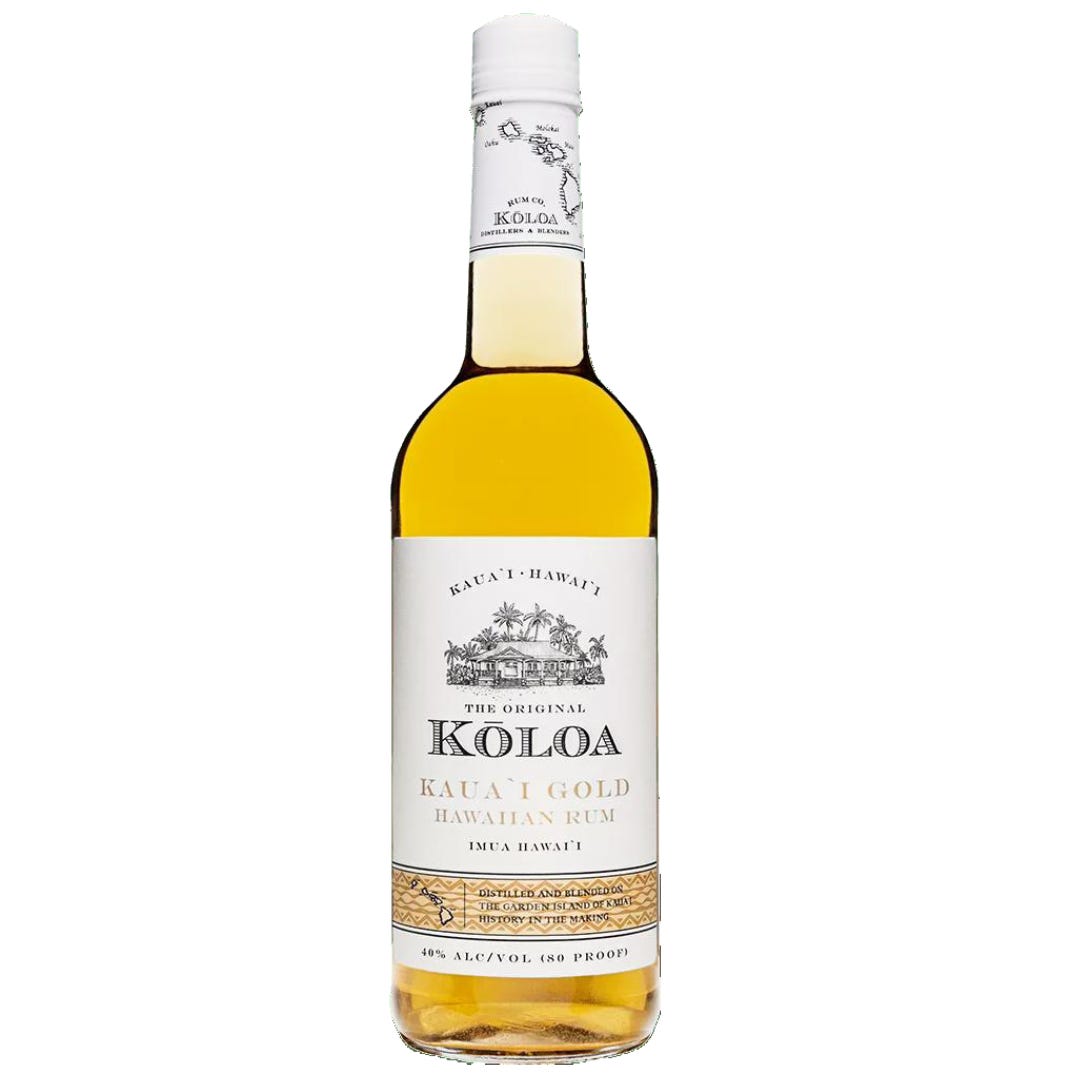
This is where Kōloa Gold Rum works especially well. Its smooth, versatile character makes it an ideal supporting ingredient, one that complements citrus, spice, and butter without competing for attention. In baking, it works much the same way it does in cocktails: it supports the other flavors instead of trying to dominate them.
Why Baked Doughnuts Are So Approachable
One of the best things about baked doughnuts is how forgiving they are. No frying thermometer, no splatter, and no pressure to get everything right in seconds. They’re easy to make, easy to share, and especially nice while still warm.
Baked vs. Fried Doughnuts
Most of us don’t grow up making doughnuts at home. We pick them up on a whim, bring home a box from the bakery, or enjoy them as an occasional treat out. Doughnuts tend to feel like something you go out for, not something you plan to bake.
And fried doughnuts are a big part of why.
Traditional fried doughnuts require hot oil, careful timing, and a bit of confidence. They’re delicious, but not exactly casual — the kind of treat that often feels easier to buy than to make.
Baked doughnuts change that entirely.
Instead of frying, baked doughnuts rely on a soft, cake-like batter and a standard oven. The process feels more like making muffins or quick bread — familiar, relaxed, and much easier to fit into a normal morning. No thermometer. No splatter. No pressure to get everything right in seconds.
The texture is different, too. Baked doughnuts are tender and gently sweet, with a softer crumb rather than crisp edges. They’re less about indulgence and more about comfort — the kind of thing you can make at home, enjoy warm, and gladly make again.
They won’t replace a hot, fried doughnut fresh from the shop — and they don’t need to. Baked doughnuts offer something different: a softer texture, a simpler process, and the satisfaction of making them at home.
The Island Spirit Kitchen is reader-supported. Paid subscribers receive the full recipe and method below, along with weekly subscriber-only articles and access to the full recipe archive.
