

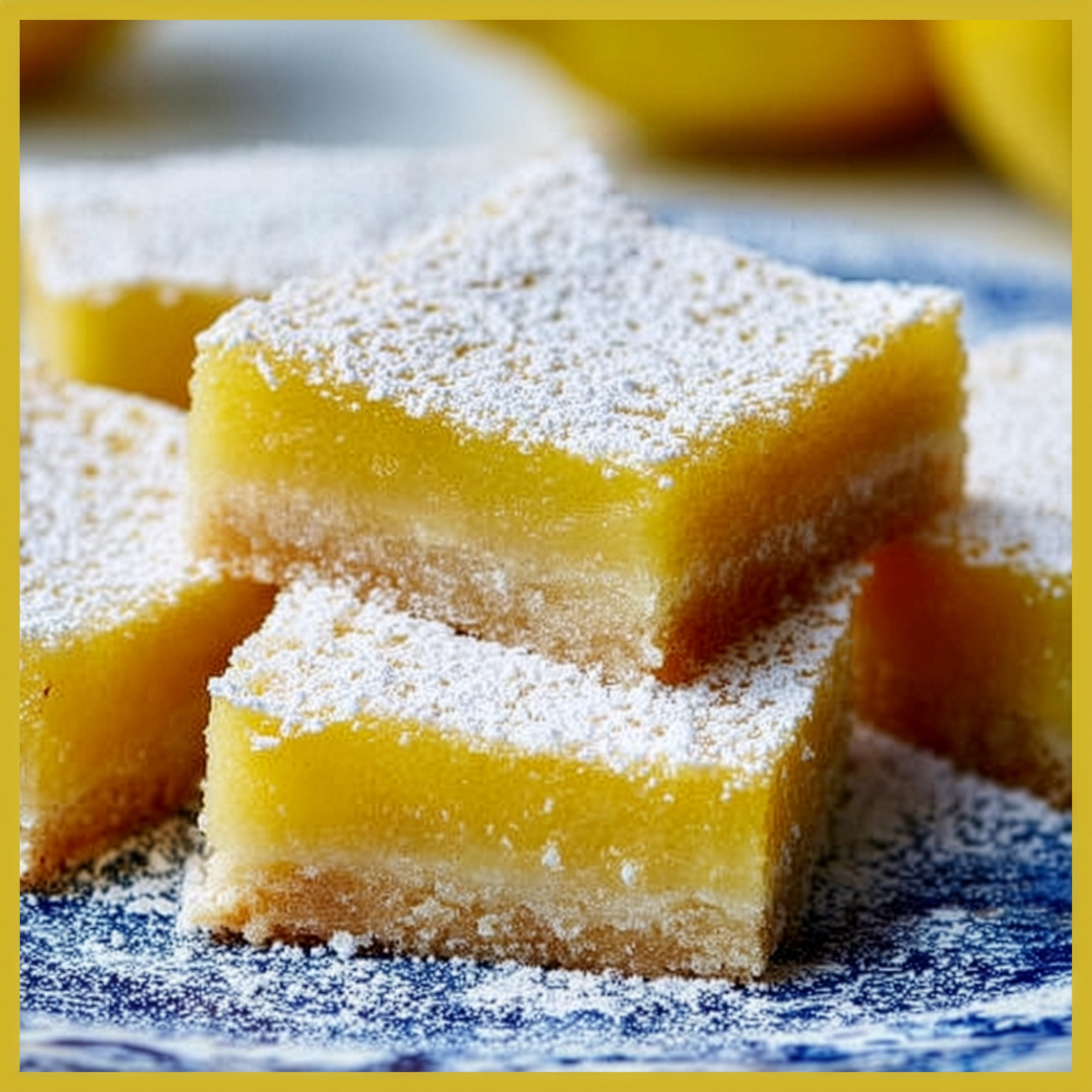
Summer has a way of quietly shifting what we crave in the kitchen. The days feel a little brighter, the air a little lighter, and without thinking too much about it, we start reaching for flavors that feel fresh and awake. Citrus begins to make more sense. Desserts don’t need to be heavy or spiced — they just need to feel simple, bright, and satisfying.
Lemon bars fit that moment perfectly. They’re familiar and comforting, but still bright and clean. A rich, buttery crust anchoring a smooth, tangy filling — simple, dependable, and deeply satisfying. They’re the kind of recipe many of us have made for years, yet rarely stop to rethink.
Here on Kauaʻi, lemons are easy to find — tucked into backyard trees, piled at farmers markets, or sitting bright and fragrant at the grocery store. That kind of abundance invites a recipe that lets citrus lead, and these lemon bars do exactly that. They’re buttery, citrusy, and unmistakably lemon-forward, with just enough softness to keep the flavor from feeling too sharp.
When I bake, I’m always looking for small ways to make a familiar recipe feel a little more complete without changing what people already love about it. That’s where a splash of white rum works beautifully.
Here, it doesn’t make the lemon bars taste like rum. Instead, it softens the sharper edges of the citrus, helps the lemon feel rounder, and gives the filling a little more depth. Think of it the way you might think about vanilla extract or a pinch of salt — not something that takes over, but something that quietly helps everything settle into place.
For bakers who like to experiment, it’s a simple way to see how rum can bring dimension to a dessert without taking it over.
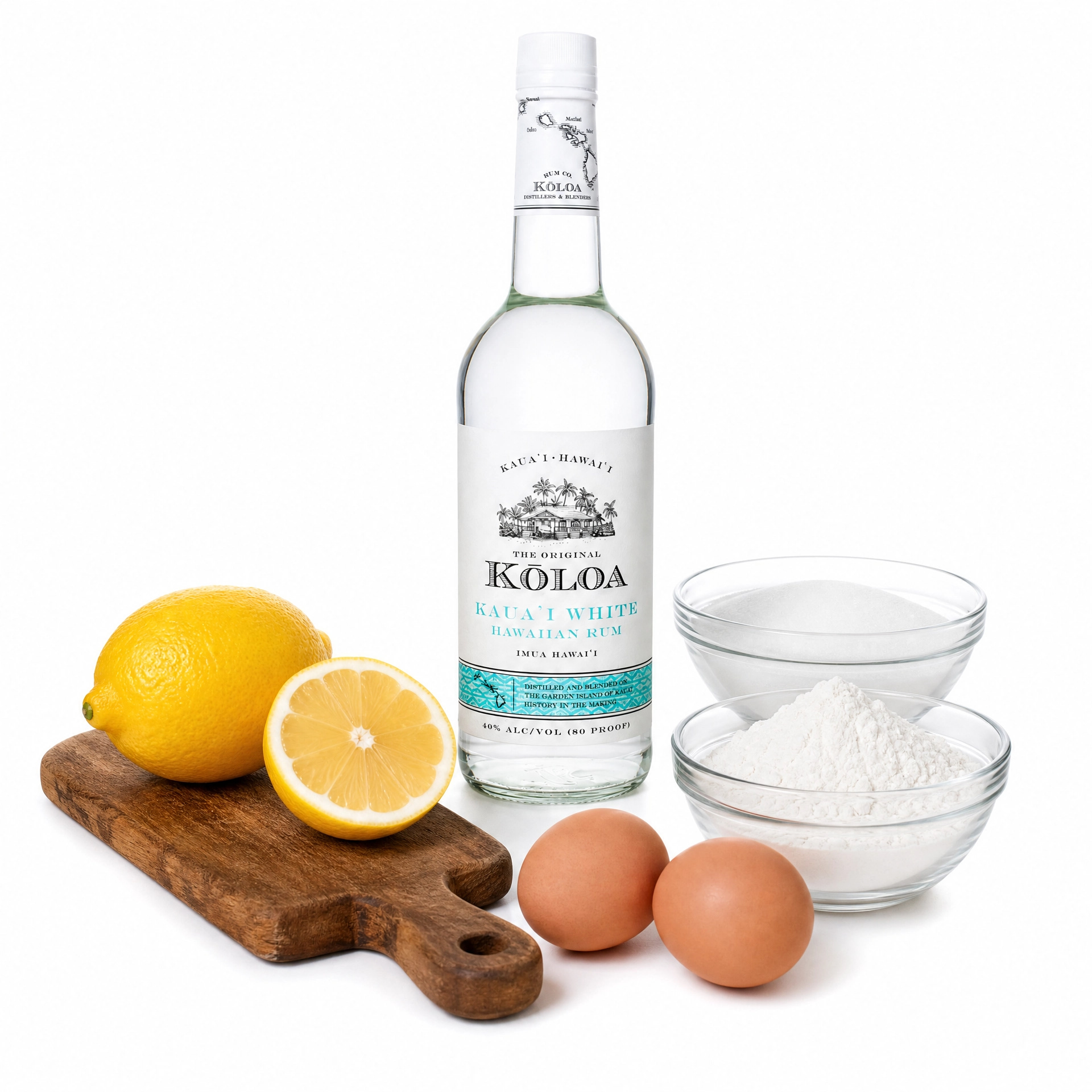
For Bakers Curious About Using Rum
If baking with rum feels unfamiliar, you’re not alone. It’s often associated with bold, sweet desserts or drinks, which can make it feel out of place in something as classic as lemon bars. But not all rum behaves the same way in the oven.
I use Kōloa White Rum here because it’s light, dry, and clean on the palate — qualities that matter when you’re working with citrus. Its subtle notes of raw sugar and soft floral aromatics complement lemon without adding heaviness or competing sweetness.
From a culinary standpoint, a small amount of alcohol can help carry aroma and soften sharp edges, especially in citrus desserts. As the bars bake, the alcohol softens into the background, leaving behind nuance rather than a distinct rum flavor.
That’s why white rum works especially well in citrus-based desserts, custards, curds, and simple butter-forward crusts.
The finished bars still taste like classic lemon bars — bright, buttery, and familiar. The rum simply gives the filling a little more ease.
Why This Recipe Leans Lemon-Forward
This recipe uses more lemon juice than many traditional versions, and that choice is intentional. Lemon bars shouldn’t whisper lemon — they should be clear and confident.
The extra lemon juice keeps the filling vibrant, while the buttery crust gives it something rich and steady to rest on.
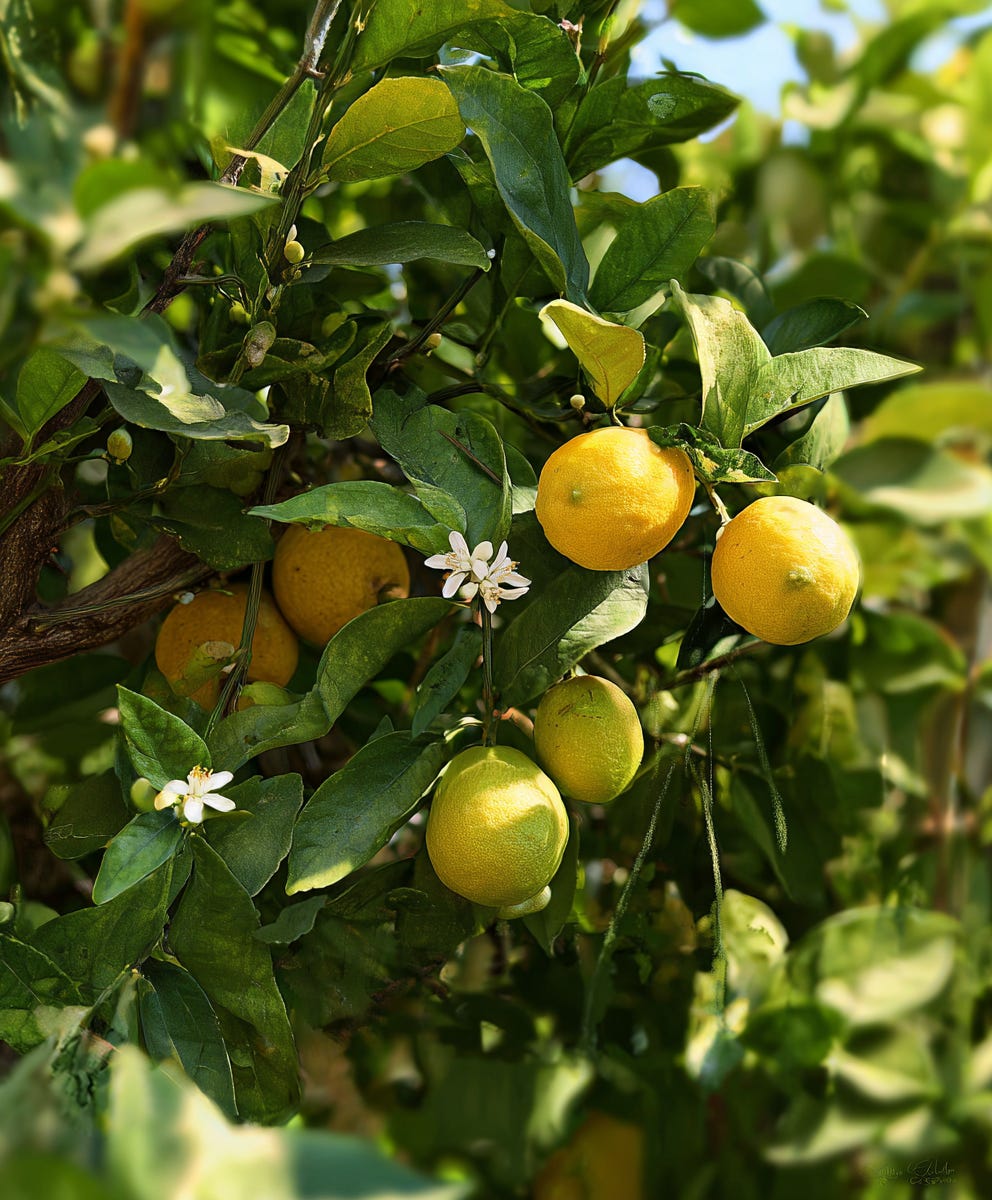
A Note on Lemon Variety
Not all lemons taste the same, and that difference shows up clearly in a dessert like lemon bars where citrus is the star.
Meyer lemons are softer, slightly sweeter, and lightly floral. They produce a rounder, gentler lemon bar with less sharp acidity.
Eureka or Lisbon lemons (the most common grocery store varieties) are brighter and more acidic, giving you that classic, bold lemon bite most lemon bar recipes are built around.
If you’re using backyard lemons or farmers market fruit, the flavor can vary even more depending on ripeness, sun, and season. A quick taste of the juice before baking can tell you a lot.
Baker’s tip:
If your lemons are very sweet, the bars will taste softer and more mellow. If they’re especially tart, the lemon flavor will be sharper and more pronounced. The recipe works either way — the balance simply shifts slightly with the fruit you’re using.
A Few Kitchen Tips That Make a Difference
Fresh juice matters: Bottled lemon juice flattens quickly. Fresh juice keeps the filling bright and alive.
Don’t rush the chill: Lemon bars finish setting as they cool. Give them time and you’ll be rewarded with clean slices and a silky center.
Cut cold, serve slightly cool: This keeps the structure intact while still letting the flavors open up.
Storing, Sharing, and Making Ahead
Lemon bars are generous by nature — they’re meant to be shared. If you’re not serving them right away, store them in the refrigerator and cut only what you need. Cold bars slice more cleanly and hold their shape beautifully.
They keep well for a few days, and the flavor actually settles and improves after the first night. If you’re baking ahead, that’s a bonus — not a compromise.
The Island Spirit Kitchen is a reader-supported publication. To receive weekly articles, access the growing recipe archive, and support my work, consider becoming a paid subscriber.
Below, I share the full method, measurements, and the small details that make these lemon bars silky, citrus-forward, and beautifully sliceable.
