

January has a way of inviting us back into the kitchen a little more slowly. A new year begins not with a rush, but with a pause, an opportunity to reset after the fullness of the holidays and return to simple, familiar comforts. There’s something grounding about the scent of apples and cinnamon warming on the stove, a reminder that starting fresh doesn’t have to mean starting over. Sometimes it just means easing back into what feels good.
Sweet, buttery, and softly spiced, it’s the kind of aroma that feels steady rather than celebratory. It brings to mind quiet mornings, cooler evenings, and the pleasure of making something warm simply because it feels right. It’s a kind of comfort that feels universal — no matter where you are, or what you’re welcoming into the year ahead.
Here on Kaua‘i, that familiar comfort can take on a subtle island warmth. In this recipe, a cinnamon-forward rum adds gentle heat and depth, echoing the natural sweetness of apples without overpowering them. Used thoughtfully, it becomes part of the caramel itself, supporting the flavors rather than announcing its presence.
Kōloa Rum Company’s Cane Fire Rum, made on the Garden Island and infused with Hawaiian cinnamon now cultivated on the Big Island, is one example that aligns especially well with those notes. As the apples cook, it contributes warmth and spice that settle into the dish, creating a layered flavor that feels calm and cohesive. The result isn’t bold or boozy, but rounded and quietly complex, familiar, with just enough warmth to feel new.
Caramelizing fruit is hardly a new idea. The technique dates back to 17th-century French kitchens, where fruit was slowly cooked with sugar and butter to create early “compotes.” Over time, that simple method traveled and evolved, from bananas foster in New Orleans to pineapple-based rum glazes in the tropics. This version draws from that tradition, offering a gentle Hawaiian-inspired twist: apples slowly caramelized with cinnamon rum.
Whether spooned over ice cream, layered onto pancakes, or served alongside roasted pork, these caramelized apples strike a balance of sweetness and spice. Comfort food, gently elevated, perfect for the start of a new year that calls for intention, and a slower return to the kitchen.
Servings
About 2½ cups (serves 3–4)
Caramelized Apples
Ingredients
3–4 medium apples (see note)
2 tbsp unsalted butter
2–3 tbsp brown sugar (light or dark)
¼ cup Kōloa Cane Fire Rum
¼ tsp ground cinnamon (optional — the rum already brings cinnamon; add for extra spice)
Pinch of salt
1 tsp vanilla extract
Optional: ¼ tsp ground nutmeg or zest of 1 orange
Choosing the Right Apples
The best caramelized apples have a balance of sweetness and acidity, which keeps the caramel flavorful rather than overly sweet. Use firm, fresh apples that hold their shape when heated, they should soften, not collapse, in the pan.
Sweet: Honeycrisp, Fuji, or Gala provide juicy sweetness and a glossy texture.
Tart: Granny Smith or Pink Lady, add brightness and balance.
Best Combo: Mix one sweet variety with one tart variety for the ideal flavor contrast and texture.
Peeling:
Peeled apples create a smoother glaze and a more luxurious finish, perfect for desserts.
Unpeeled apples add color and a rustic charm, great for serving as a savory side.
Cutting:
For desserts or toppings (like over ice cream or pancakes), cut apples into ¾-inch chunks or ½-inch slices so they caramelize evenly and spoon easily.
For a side dish (served with pork or turkey), slice into thicker wedges, about 1 inch at the widest part, so they stay intact and have a tender, substantial bite.
Uniform size matters most: evenly cut pieces cook at the same rate, ensuring a consistent, golden glaze.
The Island Spirit Kitchen is reader-supported. Become a paid subscriber to enjoy weekly island-inspired recipes, access the growing recipe archive, and help me continue sharing the flavors, stories, and spirit of Hawaiʻi.
Quick Caramelized Skillet Apples (10–12 minutes)
Best for: immediate use, visible caramel, and dessert-style toppings
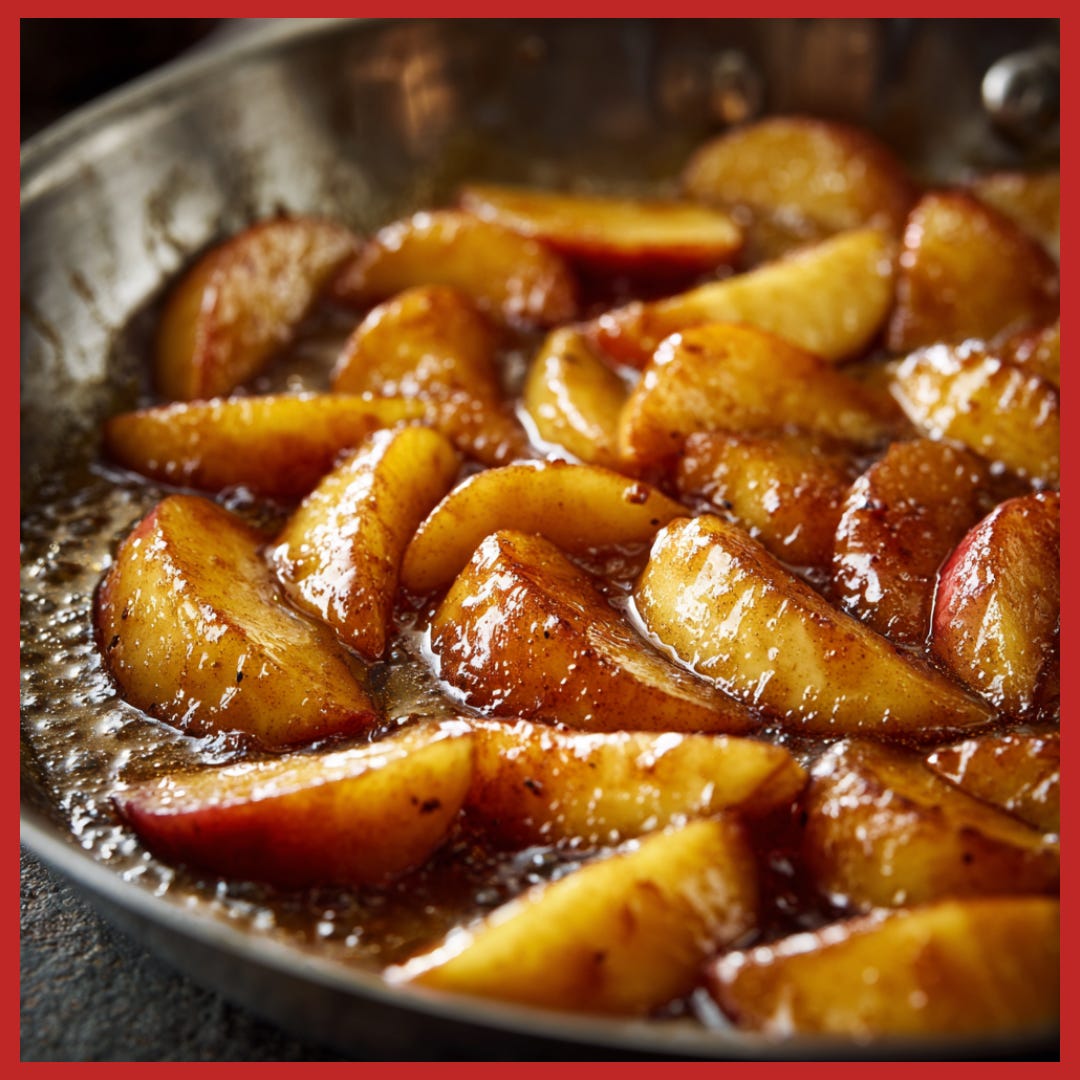
This version shines when you want apples with defined pieces and a glossy caramel coating. Cooking in a wide skillet allows moisture to evaporate quickly, so the butter, sugar, and rum concentrate into a rich glaze that clings to each slice.
Use these when you want:
A spoonable topping with texture
Caramelized edges and visible shine
Something made and served the same day
Perfect pairings:
Vanilla ice cream or gelato
Pancakes, waffles, or French toast
Cheesecake or pound cake
As a warm finishing spoon over yogurt or oatmeal
Think of this version as apples in caramel, bold in appearance, quick to make, and meant to be served warm.
1. Melt the Butter
For this recipe, a 10–12-inch skillet is just right for three large apples or four medium apples. A wide surface lets the fruit cook in a single layer so the butter, sugar, and rum can caramelize instead of steam.
Use a heavy-bottomed stainless steel or cast-iron pan for even heat and the best color. If the pan is too small, the apples will release extra moisture and the caramel will stay thin instead of forming that glossy, syrupy glaze. Avoid nonstick pans for this recipe — they can prevent proper browning.
2. Add the Sugar and Apples
Stir in brown sugar until glossy, then add the prepared apples and toss to coat. Cook uncovered for 5–7 minutes, stirring occasionally, until the apples begin to soften and the sauce deepens in color.
Lid On or Off:
Lid On: After the apples begin to soften and the caramel deepens in color, cover the pan for a few minutes to let the steam finish cooking the fruit. This produces tender, soft apples with more syrup, ideal as a side dish for pork or ham.
Lid Off: For thicker caramel and lightly glazed apples, keep the lid off so the moisture evaporates, ideal for dessert toppings.
3. Add the Rum
Reduce heat to medium-low, then carefully pour in the rum. Stir as it bubbles, cooking 3–4 minutes to let most of the alcohol evaporate, leaving just the flavor. Add cinnamon and a pinch of salt.
Culinary Tip: Alcohol can bubble vigorously when added to a hot pan. Pour slowly away from the flame (if using a gas stove) and avoid leaning directly over the skillet.
4. Finish and Serve
Remove from heat, then stir in vanilla and serve warm.
Slow-Simmered Apple Compote (20 minutes)
Best for: make-ahead meals, softer texture, and versatile sweet-savory uses
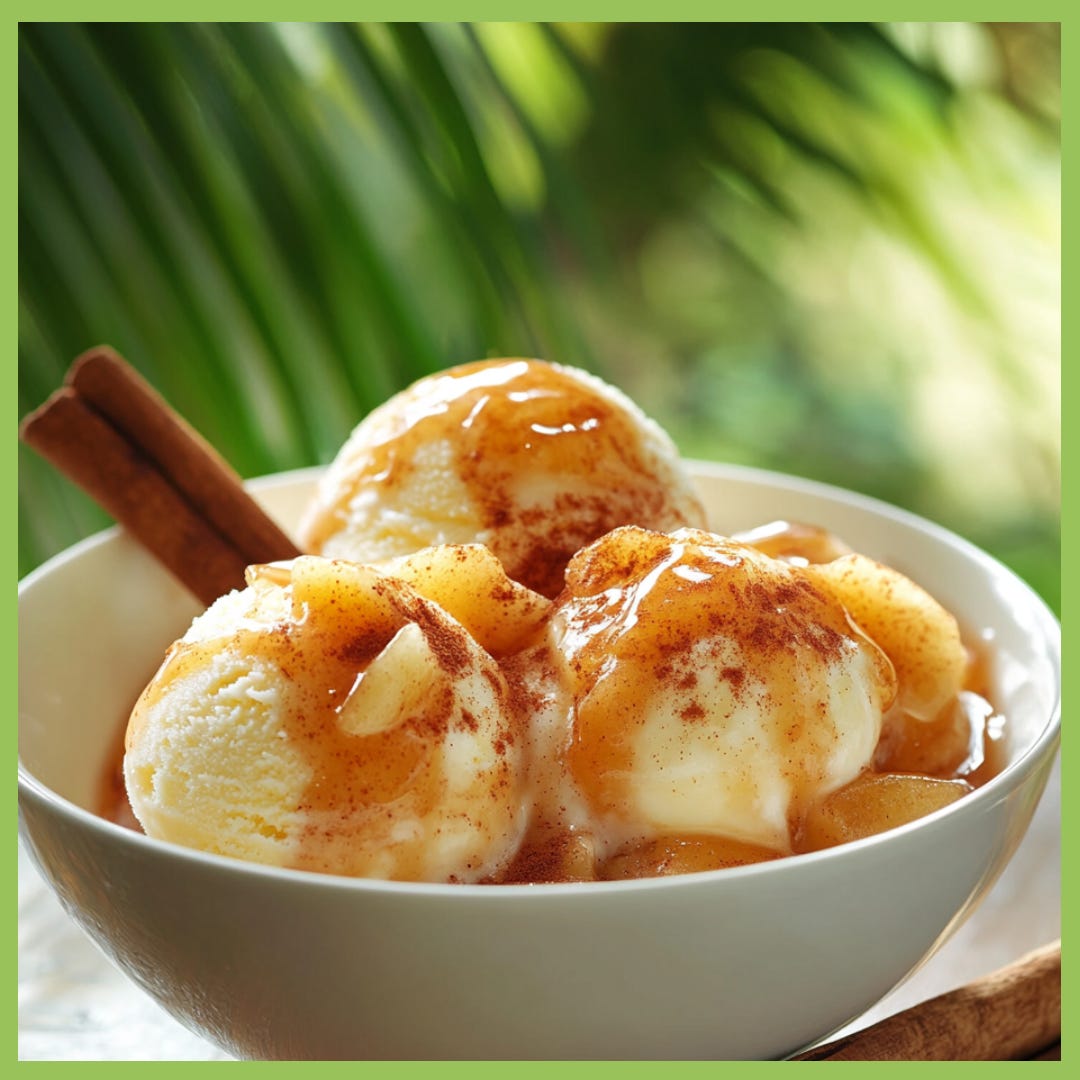
The compote is gently cooked with the lid on, allowing the apples to soften fully while the flavors meld. The result is silky, spoon-soft fruit suspended in a lightly syrupy sauce rather than a thick caramel glaze.
Use this when you want:
A softer, cohesive texture
A recipe that holds well in the fridge
Something that works for both sweet and savory dishes
Perfect pairings:
Swirled into oatmeal or chia pudding
Spread on toast, biscuits, or scones
Served alongside roasted pork, turkey, or ham
Paired with mashed sweet potatoes or winter squash
This version behaves more like a warm fruit preserve — mellow, comforting, and incredibly adaptable.
1. Combine in a Saucepan
In a medium saucepan, melt butter over medium heat. Add apples, brown sugar, cinnamon, nutmeg (if using), and salt. Stir to coat evenly.
2. Add the Rum and Simmer
Pour in Kōloa Cane Fire Rum (slowly add the rum off-heat) and stir to combine. Cover, reduce heat to medium-low, and simmer for 15–20 minutes, stirring occasionally, until the apples are soft and the sauce turns syrupy.
Culinary Tip: Remove the lid for the last 5 minutes to let the sauce thicken naturally.
3. Finish with Vanilla and Optional Zest
Remove from heat and stir in vanilla and orange zest (if using). Serve warm or chilled.
Optional: Flambé
Flambé is a classic cooking technique where alcohol is briefly ignited to burn off most of the alcohol while deepening flavor and aroma. It looks dramatic, but when done carefully, it’s quick, controlled, and completely satisfying.
In this recipe, when you flambé with Kōloa Cane Fire Rum, the quick flame allows the cinnamon spice to bloom while the caramel takes on a slightly deeper, more rounded sweetness. The result is smooth, warm, and beautifully aromatic.
For a celebratory presentation, you can flambé the apples, just follow these steps:
Once the apples have softened, remove the pan from direct heat.
Pour in the rum, then carefully ignite the surface with a long lighter.
Safety Tip: Always remove the pan from direct heat before lighting the rum, and keep a lid nearby to smother the flame if needed.
Let the flames burn for about 10–15 seconds, swirling gently until they extinguish naturally.
This quick flame caramelizes the sugars further and intensifies the cinnamon aroma. Once the flame has extinguished, spoon over ice-cream for a decadent rum-infused dessert.
Make-Ahead & Storage
Store in an airtight container in the refrigerator for up to 4–5 days.
Reheat gently in a skillet over low heat, adding a splash of water, cream, or rum to refresh the sauce.
The flavor deepens after a day, making this an ideal make-ahead component for holiday menus. For longer storage, freeze for up to 2 months and thaw overnight before reheating.
Why this recipe works
Kōloa Cane Fire Rum is one of those ingredients that brings instant personality to a dish. Distilled on Kaua‘i and infused with real Hawaiian cinnamon, it’s bold, aromatic, and a little bit fiery, in the best way. The first sip reminds me of those classic red-hot cinnamon candies, only smoother, with just a touch of citrus underneath. When it hits the pan, that heat softens into something warm and spiced, blending beautifully with butter and brown sugar. It’s what gives these apples their depth, that perfect balance between cozy and exciting.
Serving Ideas
Sweet Pairings:
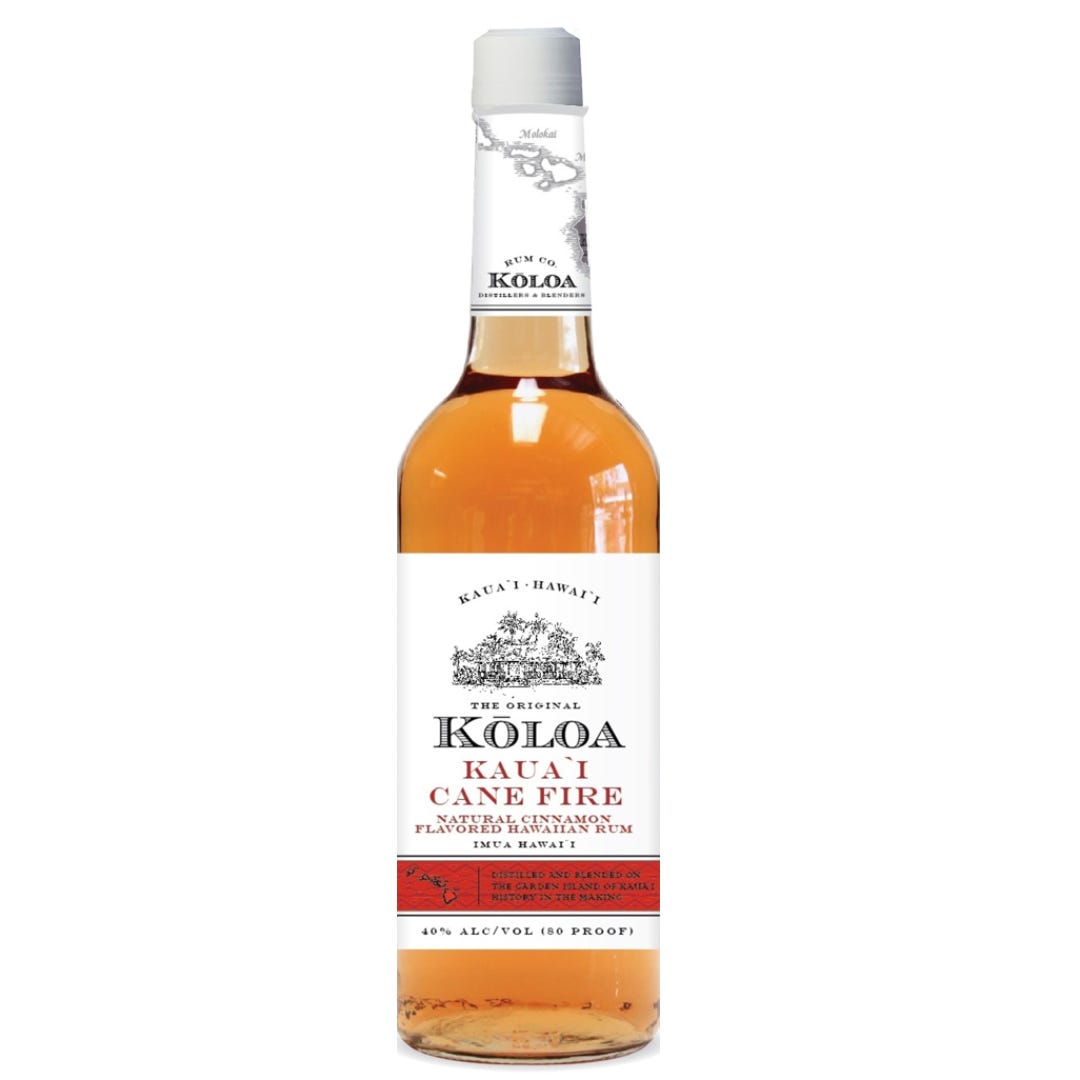
Spoon over vanilla ice cream
Swirl them into a bowl of oatmeal or spoon over pancakes or French toast
Top a slice of New York–style cheesecake
Savory Pairings:
Serve with roasted pork tenderloin or grilled ham
Pair with holiday turkey for a sweet-spiced accent
Top mashed sweet potatoes for a comforting fall side
Thank you for joining me in the kitchen and celebrating another island-inspired recipe.
I love how a few simple ingredients, butter, sugar, and apples can become something delicious with the addition of rum and a little patience.
Whether this recipe finds its way to your dinner table or a quiet morning, may it fill your home with that unmistakable island spirit.
Hauʻoli Makahiki Hou (Happy New Year),
Nicole
The Island Spirit Kitchen